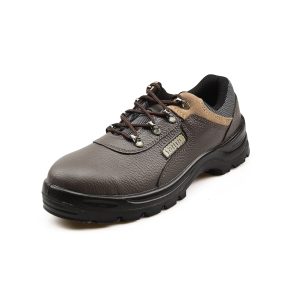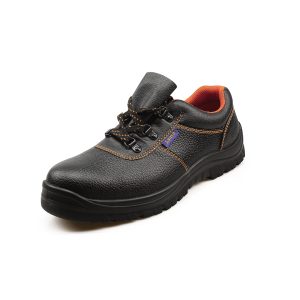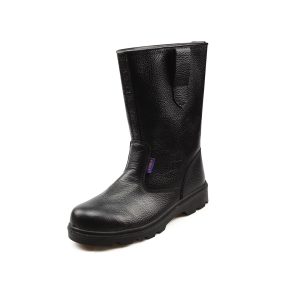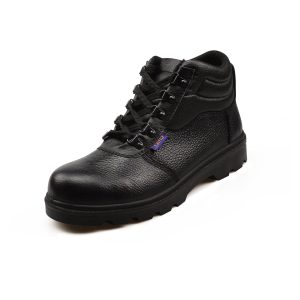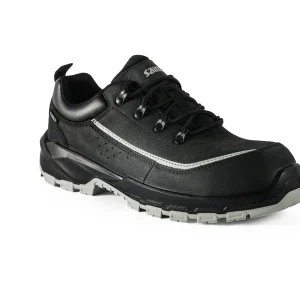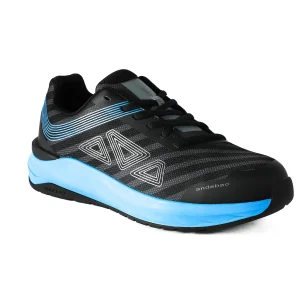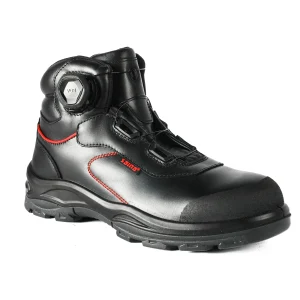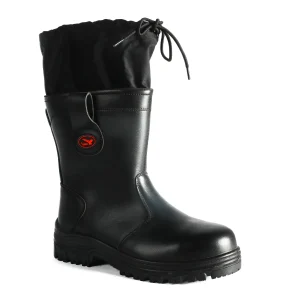

For global safety footwear buyers, choosing an OEM partner is about much more than finding a factory with a competitive price.
A safety footwear project often involves product design, material selection, tooling, testing, certification, packaging, production and delivery. Each stage can affect the final product, its compliance requirements and its position in the target market.
For brands, importers, distributors and wholesalers, the real question is therefore not simply: “Can this factory make the shoes?”
It is: “Can this partner understand our requirements, develop the right product and manufacture it consistently?”
A capable OEM partner should be able to connect product development, engineering, manufacturing and quality control into one coordinated process.
That is what reduces uncertainty as a product moves from an initial brief to a finished pair of safety footwear.
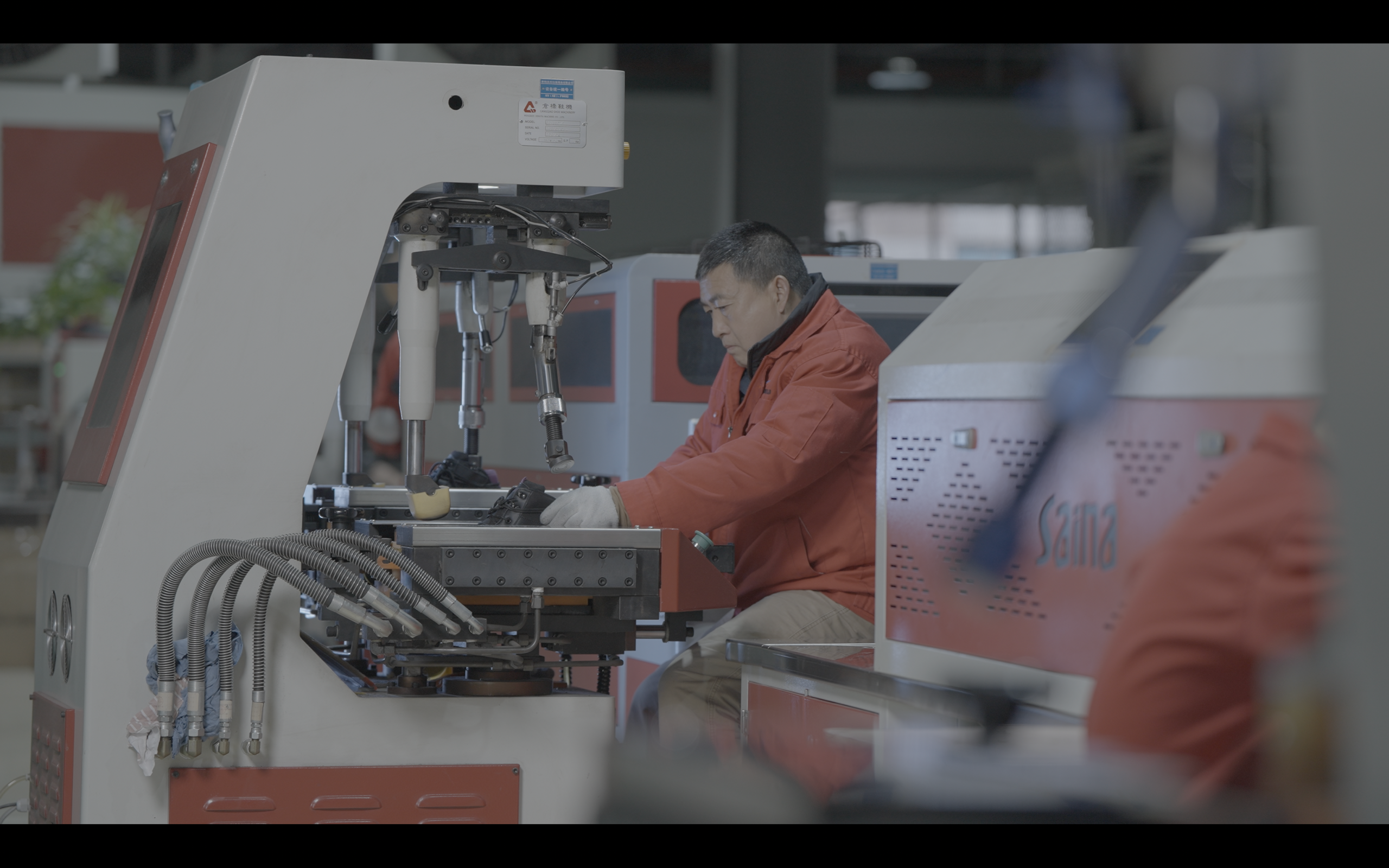
01 — Product Development Starts with Understanding the Brief
A strong OEM project begins before the first sample is made.
Global buyers may come to a manufacturer with very different starting points. Some have an existing product that needs to be modified. Others have a reference sample, sketches, material requirements or only a concept for a new product.
The manufacturer needs to understand the commercial and technical requirements behind the request.
Typical considerations include:
- Target market and applicable standards
- Intended working environment
- Product category and construction
- Protection requirements
- Upper and sole materials
- Fit and sizing requirements
- Appearance and brand positioning
- Target cost
- Packaging requirements
- Expected order volume
A clear development brief gives both sides a common starting point.
For OEM/ODM projects, this is especially important because product development is not simply a matter of reproducing a visual reference. The manufacturer needs to translate the buyer’s expectations into materials, construction details, tooling and production processes.
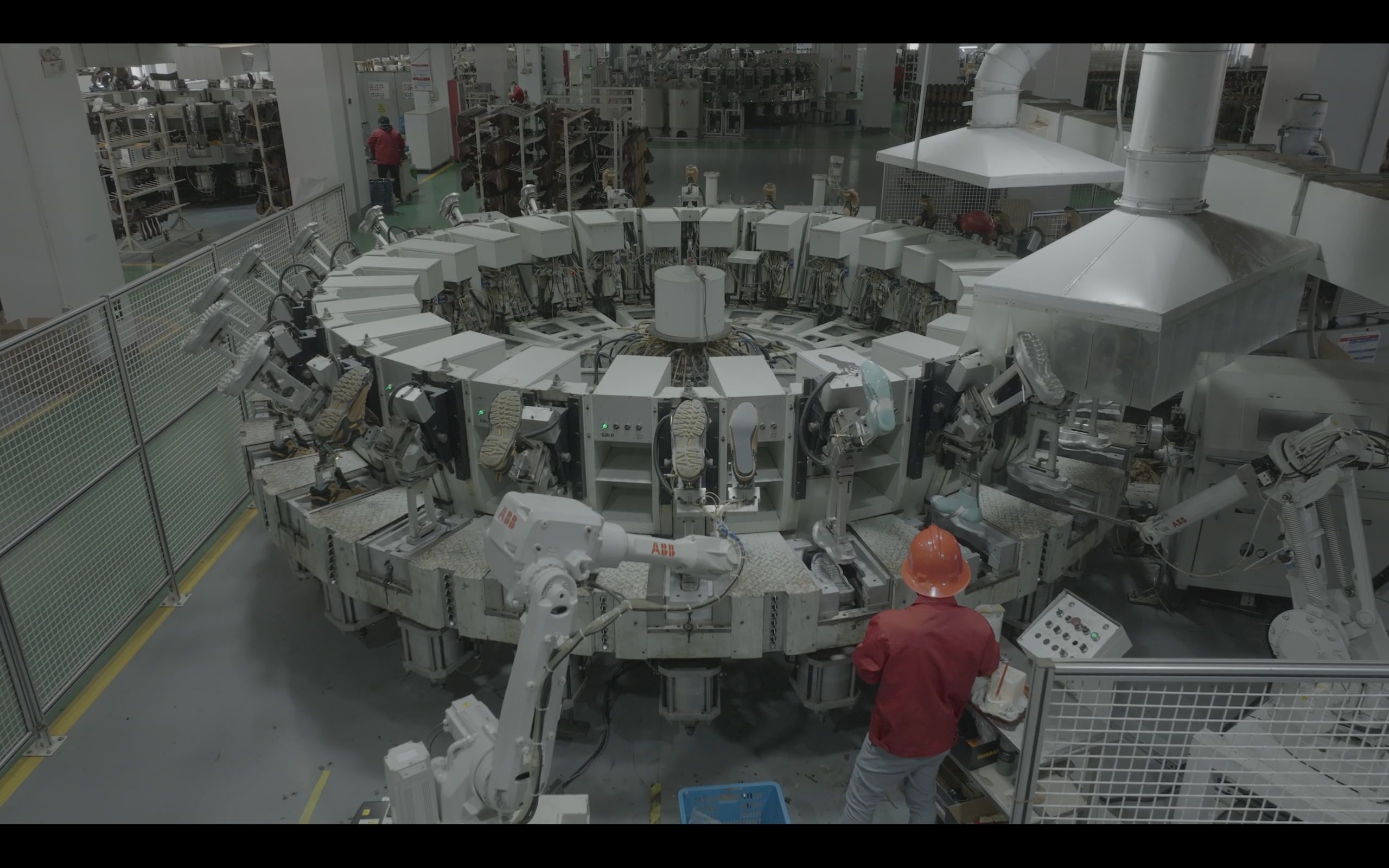
02 — Material and Component Capabilities Matter
The performance of safety footwear depends on how different components work together.
The upper, toe protection, midsole, insole, outsole, lining and closure system all contribute to the final product. Material selection can also influence weight, flexibility, durability, comfort and manufacturing requirements.
03 — From Concept to Sample
One of the most important stages in OEM footwear development is turning an idea into a physical product.
The process may involve several interconnected steps:
Design → Engineering → Last Development → Sole Development → Tooling → Sample → Evaluation → Production
At the early stage, designers and engineers translate the product brief into drawings, proportions and construction details.
04 — Manufacturing Consistency Is More Important Than a Single Good Sample
A good sample is only the beginning.
For an OEM buyer, the real test comes when the product enters production.
A supplier may produce an impressive prototype, but if the same construction, appearance and performance cannot be maintained during mass production, the development effort creates little long-term value.
This is why buyers should look beyond finished product photographs and understand the manufacturing system behind them.
05 — Quality Control and Testing Build Confidence
Safety footwear is a product category where quality cannot be evaluated only by appearance.
Testing and inspection provide a more objective way to evaluate whether products meet the required technical expectations.
06 — Market Standards and Documentation Cannot Be an Afterthought
Safety footwear is sold into markets with different regulatory and technical requirements.
A product designed for one market may not automatically meet the requirements of another.